Chemical Peel in Vienna, VA

Based on 1,500+ Reviews

Request Quote

Professional Skin Resurfacing for Smoother, Brighter-Looking Skin at Moon Lake Spa

Professional Skin Resurfacing for Smoother, Brighter-Looking Skin at Moon Lake Spa

Uneven skin tone, stubborn dark spots, fine lines, and rough texture can make your complexion appear tired, even when you follow a consistent skincare routine. If regular exfoliation and facial treatments aren’t delivering the improvements you’re looking for, a professional chemical peel may be worth considering.

At Moon Lake Spa, we offer chemical peel treatments in Vienna, VA, designed to address common skin concerns through controlled exfoliation and personalized skincare. Chemical peels help remove damaged surface skin cells, encouraging a fresher-looking complexion while improving the appearance of certain pigmentation concerns, fine lines, and textural irregularities.

Located at 503 Maple Avenue West in Vienna, Moon Lake Spa combines professional skincare with a comfortable, welcoming spa experience. Our approach emphasizes understanding your skin concerns and selecting appropriate treatments rather than relying on a one-size-fits-all solution.

Whether you’re concerned about dullness, acne-related discoloration, or visible signs of aging, we’re here to help you explore your options.

Schedule Your Chemical Peel Consultation at Moon Lake Spa or call (703) 938-2793 to learn more.

What Is a Chemical Peel and How Does It Work?

A chemical peel is a skin-resurfacing procedure that uses a carefully selected chemical solution to exfoliate damaged outer skin layers. Unlike traditional facial scrubs, chemical peels use specific exfoliating ingredients to promote skin renewal at a controlled depth.

As treated skin sheds and heals, the new surface may appear smoother, brighter, and more even in tone. The extent of improvement depends on the peel formulation, treatment depth, skin condition, and individual response.

Chemical peels are commonly classified as superficial, medium-depth, or deep treatments. These categories describe how far the exfoliating solution penetrates the skin.

Professional assessment is essential because stronger treatments aren’t automatically better. A suitable peel should balance your skincare goals with your skin’s sensitivity, pigmentation risk, and acceptable recovery time.

What Skin Concerns Can Chemical Peels Address?

Chemical peels are versatile treatments used to improve several common cosmetic skin concerns. Depending on the formulation and treatment depth, they may help with the following:

Uneven Skin Tone and Hyperpigmentation

Sun exposure, previous breakouts, and other factors can leave areas of discoloration. Certain chemical peels may gradually improve superficial pigmentation and create a more balanced-looking complexion.

Fine Lines and Early Signs of Aging

As skin changes with age, fine lines and uneven texture may become more noticeable. Some chemical peels can soften the appearance of superficial lines, particularly when used as part of a broader skincare plan.

Acne and Post-Acne Marks

Selected exfoliating treatments can help address certain forms of acne and lingering discoloration after blemishes. Deeper acne scars may require other procedures or a combination of treatments.

Dull and Rough Skin Texture

A buildup of surface skin cells can make the complexion appear uneven or lackluster. Chemical exfoliation helps remove these cells, potentially revealing smoother, more radiant-looking skin.

Sun Damage and Visible Pigmentation

Some superficial signs of sun damage, including uneven coloration and certain dark spots, may improve with appropriately selected peels. Suspicious or changing skin lesions should be evaluated by a medical professional before cosmetic treatment.

Understanding Different Types of Chemical Peels

Not all chemical peels work at the same depth. Understanding the differences helps you make informed decisions about treatment and recovery.

Superficial or Light Chemical Peels

Light peels typically affect the outermost layer of skin and may use alpha-hydroxy acids (AHAs) or other exfoliating ingredients. They are often considered for dullness, mild uneven texture, and superficial discoloration.

Recovery is generally shorter than with deeper peels, although redness, dryness, or flaking can still occur.

Medium-Depth Chemical Peels

Medium-depth peels penetrate farther into the skin and may use ingredients such as trichloroacetic acid (TCA). They can address more pronounced pigmentation changes, fine lines, and selected textural concerns.

These treatments require additional recovery and should be performed by appropriately qualified medical professionals.

Deep Chemical Peels

Deep peels involve more extensive resurfacing and carry greater risks and recovery requirements. They are specialized medical procedures rather than routine spa facials.

Moon Lake Spa’s exact available peel formulations and treatment depths should be confirmed before booking. Your treatment options will depend on your skin assessment and the services currently offered.

understanding Different Types of Chemical Peels

Benefits of Professional Chemical Peel Treatments

A suitable chemical peel may provide several cosmetic benefits, depending on your skin condition and the treatment selected.

  • Improved skin texture: Exfoliation can help reduce surface roughness and create a smoother-looking complexion.
  • More even skin tone: Certain peels may gradually diminish superficial discoloration and post-acne marks.
  • Brighter-looking skin: Removing dull surface cells can improve the appearance of skin clarity.
  • Reduced appearance of fine lines: Some treatments can soften superficial lines and early signs of photoaging.
  • Personalized treatment options: Different formulations and depths allow treatment selection according to individual skin concerns.
  • Flexible treatment planning: Light peels may be incorporated into a longer-term skincare routine when professionally appropriate.

Results vary, and some concerns require multiple sessions or alternative procedures. A chemical peel does not permanently stop skin aging or eliminate every type of pigmentation or scar.

What to Expect During Your Chemical Peel Treatment

Understanding the procedure beforehand can make your appointment more comfortable and help you plan appropriately.

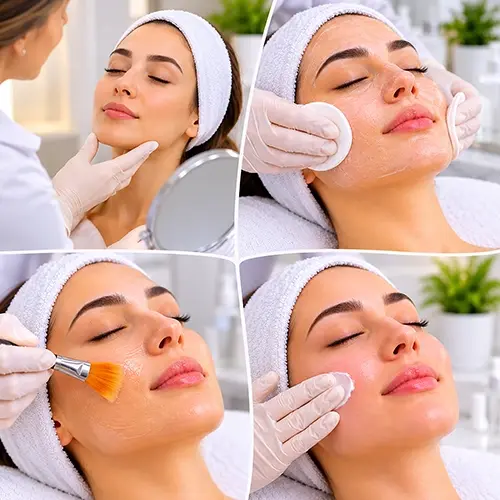
Step 1: Skin Consultation and Assessment

Your provider should review your skincare goals, skin sensitivity, relevant medical history, current products, and previous treatments. This information helps determine whether a peel is appropriate and which options may be suitable.

Step 2: Skin Preparation

Before applying the solution, the treatment area is cleansed. Depending on the peel and your skin condition, you may need to adjust certain skincare products before your appointment.

Step 3: Chemical Peel Application

The selected solution is applied according to the treatment protocol. You may experience temporary tingling, warmth, or stinging. The provider monitors your skin and completes the procedure according to the formulation’s requirements.

Step 4: Post-Treatment Care

After treatment, your skin may feel sensitive or appear red. You should receive specific instructions about cleansing, moisturizing, sun protection, and temporarily avoiding potentially irritating products.

Some peels require neutralization, while others are designed to remain on the skin for a prescribed period. Follow your provider’s directions rather than assuming all peels are performed identically.

Chemical Peel Recovery, Results, and Aftercare

Recovery varies significantly depending on the peel’s depth and your individual skin response.

With superficial peels, redness or mild scaling may last several days. Medium-depth treatments commonly require approximately one to two weeks of healing, while deep peels involve substantially longer and more intensive recovery.

During healing, your provider may recommend:

  • Using gentle cleansers and suitable moisturizers.
  • Avoiding picking, scratching, or manually peeling treated skin.
  • Protecting your skin from direct sunlight.
  • Using appropriate broad-spectrum sunscreen once advised.
  • Temporarily avoiding exfoliating acids, retinoids, or other irritating products.
  • Following any individualized aftercare and follow-up instructions.

Visible improvements generally develop as the skin heals. Light peels may need a series of treatments for noticeable improvement, while deeper procedures require greater recovery and medical oversight.

Contact your treatment provider promptly if you develop unexpected severe pain, blistering, worsening swelling, or signs of infection.

Who Is a Good Candidate for a Chemical Peel?

Chemical peels may be appropriate for adults seeking improvement in superficial discoloration, uneven texture, certain acne concerns, or early visible aging.

However, suitability depends on more than your cosmetic goals. A qualified provider should consider your skin type, history of abnormal scarring, active infections, medication use, sun exposure, and sensitivity.

People with darker skin tones may benefit from carefully selected peels, but particular attention is needed to reduce the risk of post-inflammatory hyperpigmentation.

Those with active skin infections, irritated or damaged skin, certain inflammatory conditions, or relevant medication histories may need to postpone treatment or consider alternatives.

If you have a history of cold sores, recent cosmetic procedures, or are pregnant, share this information before treatment so your provider can determine suitable precautions.

Frequently Asked Questions

How much does a chemical peel cost in Vienna, VA?

Chemical peel pricing depends on the treatment formulation, depth, area treated, and whether multiple sessions are recommended. Contact Moon Lake Spa at (703) 938-2793 or consult its current booking menu for available treatments and pricing.

Are chemical peels painful?

Some people experience mild tingling or stinging, especially during superficial peels. Stronger peels may cause greater discomfort and require additional pain management. Your provider should explain what sensations are expected for the selected treatment.

How long does it take to recover from a chemical peel?

Superficial peels generally involve several days of recovery, although peeling may last up to a week. Medium peels often require 7–14 days, and deep peels require more extensive healing. Individual recovery times vary.

Can chemical peels help with acne scars?

Certain chemical peels may improve the appearance of selected acne scars, superficial irregularities, and discoloration left by breakouts. Deep or depressed scars often require additional approaches, such as microneedling, laser resurfacing, or other dermatologist-directed treatments.

How many chemical peel sessions will I need?

The number depends on your treatment goals, skin condition, and peel type. Some superficial peel plans involve multiple sessions spaced several weeks apart. Your provider should recommend a schedule based on your skin’s response.

We use products of
the best brands only
+1 (703)-938-2793