Transforming Student Well-Being Through Practical Spa Insights
Student life is faster and more demanding than ever before. Balancing heavy course loads, part-time jobs, and personal commitments often leaves little room for proper self-care, leading to burnout and chronic stress. By adapting proven retreat methodologies into a structured holistic campus health framework, universities can offer practical, hands-on tools that empower students to manage stress proactively. At Moon Lake Spa, our experiences with comprehensive retreat models show that real health improvements happen when individuals learn repeatable daily habits rather than relying solely on occasional breaks. If you are ready to bring these restorative principles to your institution, you can Book your service skin care facial massage special package or explore our specialized event frameworks.
Integrating wellness into an academic environment requires moving past passive lectures and offering interactive experiences. Students thrive when they can participate in hands-on demonstrations, such as quick stress-relief techniques, simple nutrition briefs, and accessible skincare routines. By taking inspiration from structured retreat schedules, campus organizers can create pop-up wellness stations and guided workshops that fit seamlessly into a busy academic calendar. These initiatives bridge the gap between reactive student counseling and daily preventative health, fostering a stronger and more resilient campus community.
How Can Retreat Models Address Current Student Health Challenges?
Modern university students face a unique set of daily pressures. High anxiety levels, disrupted sleep patterns, and poor nutrition frequently combine to create a cycle of physical and mental exhaustion. While traditional campus resources like counseling centers and crisis helplines are essential, they are primarily reactive. Students often seek them out only after reaching a point of extreme distress.
To build long-term resilience, educational institutions need proactive solutions that teach self-care as a practical skill. A holistic campus health strategy addresses the root causes of daily fatigue by providing actionable tools in accessible environments. Key obstacles facing students include:
- Overwhelming schedules that leave no dedicated time for relaxation.
- A lack of practical knowledge regarding tension relief and ergonomic care.
- Unhealthy eating habits driven by time constraints and budget limitations.
- Isolated routines that lack a sense of supportive community.
Applying elements from professional wellness environments helps solve these issues. By hosting short, structured workshops right where students gather, universities can make self-care a natural, interactive part of campus life.
What Key Spa Elements Work Best in a Campus Environment?
Professional spa environments achieve results by targeting both physical recovery and mental relaxation simultaneously. Translating these services into campus-friendly workshops allows students to experience therapeutic benefits in a condensed, educational format. At Moon Lake Spa, our core focus areas include targeted bodywork, science-backed skin care, and deep relaxation techniques.
When designing campus events, organizers can adapt these core offerings into high-impact interactive sessions:
- Therapeutic Tension Relief: Short interactive tutorials teaching self-massage techniques for the neck, shoulders, and hands help relieve the physical strain of long study sessions. Students interested in professional bodywork techniques can Explore therapeutic massage sessions to understand the physiology of muscle recovery.
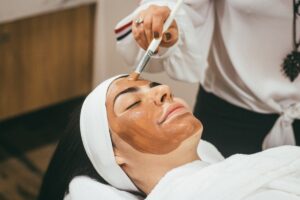
- Skincare as Self-Care: Hands-on skin health demonstrations teach basic hygiene, sun protection, and barrier repair. Demonstrating professional protocols using high-performance products, such as those found in our SkinCeuticals Professional Treatments at Moon Lake Spa: Targeted Correction and Protection, shows students how simple routines can boost confidence and health.
- Mindful Breathing and Reset Pods: Guided five-minute breathing exercises help lower acute stress hormones and restore focus between lectures.
By converting complex therapies into easy daily practices, campus initiatives make health management simple and approachable.
How to Design Practical Campus Wellness Stations
Mindfulness in Motion and Quiet Pods
Creating a peaceful atmosphere on a bustling college campus might seem difficult, but even small spaces can be transformed into effective reset zones. Pop-up mindfulness stations placed in libraries or student centers provide immediate relief during peak exam periods.
A ten-minute guided breathing session on a comfortable mat can drastically reduce anxiety levels. These stations teach students how to regulate their nervous systems using simple techniques like box breathing or progressive muscle relaxation. Providing quiet, dedicated spaces reinforces the idea that mental breaks are a necessary component of academic success.
Practical Nutrition Workshops: Fueling Focus
Proper nutrition directly impacts cognitive function, energy levels, and mood stability. However, many students struggle with meal preparation due to limited budgets and kitchen facilities. Retreat-inspired nutrition workshops focus on fast, affordable, and nutrient-dense options.
Successful campus nutrition initiatives often feature:
- Live Recipe Demonstrations: Showing how to assemble quick, high-protein meal bowls using accessible ingredients.
- Smart Snacking Stations: Educating students on pairing complex carbohydrates with healthy fats to prevent mid-afternoon energy crashes.
- Hydration Awareness: Explaining the connection between proper water intake, mental clarity, and skin health.
When healthy eating is presented as an easy, interactive activity, students are far more likely to adopt better habits long-term.
Interactive Skincare and Hygiene Demonstrations
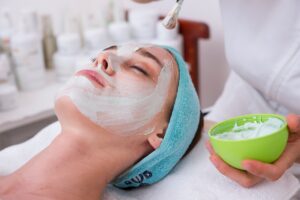
Skincare workshops offer a tactile, engaging way to introduce physical self-care. Many young adults experience skin issues related to stress, poor sleep, and environmental factors. Practical education removes the confusion around product choices and focuses on skin barrier health.
Organizers can feature simple educational stations covering:
- Basic daily routines to protect against urban pollution and stress.
- The role of deep hydration, featuring concepts from treatments like our Hydra facial in Vienna VA Moon Lake Spa.
- Gentle facial massage techniques to encourage lymphatic drainage and reduce facial tension.
Teaching students the science of skin health helps them build routines that foster long-term personal wellness. To see how professional protocols are structured, students and organizers can look into options to massage hydrafacial oxygen facial anti- aging facial skin care for inspiration.
How Does Community Support Strengthen Student Wellness?
Single events can spark interest, but long-term health improvements require an ongoing, supportive environment. Professional retreat models succeed because they build a sense of shared purpose among participants. Universities can recreate this dynamic by establishing peer-led wellness groups and collaborative initiatives.
Building a strong campus wellness culture involves several key strategies:
- Peer Mentorship: Training student leaders to host mini-wellness check-ins and share healthy study strategies.
- Guest Practitioner Talks: Inviting licensed health professionals, such as nutritionists or therapists, to lead informal question-and-answer sessions. To learn about clinical standards, campus groups can review how our Medical experts approach integrated health.
- Interactive Engagement Walls: Setting up physical or digital boards where students post stress-relief tips, personal wins, or daily goals.
When self-care becomes a shared social value rather than an isolated task, participation rates rise and students feel more connected to their campus community.
How Can Universities Measure Programme Success?
Tracking engagement and outcomes is essential for maintaining effective wellness initiatives and securing institutional support. Gathering clear data ensures that events evolve to meet the changing needs of the student body.
Key metrics for evaluating campus programmes include:
- Attendance and Participation Rates: Tracking numbers across different types of workshops to identify high-interest topics.
- Pre- and Post-Session Surveys: Measuring immediate changes in self-reported stress levels following a workshop or breathing session.
- Habit Retention Assessments: Following up with participants weeks later to see if they continue using the practical skills taught.
- Feedback Loops: Collecting direct suggestions to continuously refine content and timing.
By continually reviewing performance metrics, organizers can refine their offerings, ensuring that their holistic campus health strategies deliver real, lasting benefits.
Building Sustainable Daily Habits for Long-Term Success
Ultimately, the goal of adapting retreat models to campus life is to equip students with life-long self-care skills. When students learn how to manage tension, nourish their bodies, and prioritize mental breaks during their academic years, they enter the workforce with greater resilience and self-awareness.
Implementing structured, accessible, and practical wellness initiatives transforms university campuses into environments where students do not just survive academic pressure, but genuinely thrive. To explore how professional wellness protocols can support your broader health goals, take time to Holistic Wellness Retreat and MedSpa services at Moon Lake Spa Recover Lab in Vienna VA and discover our complete range of integrative services.